


The Blade Blog
Practical answers
for better grooming.
Coat care, blade technique and dog-first guidance—written for the moments that matter.
Find a grooming guide
What do you need help with?
Dog breeds & grooming
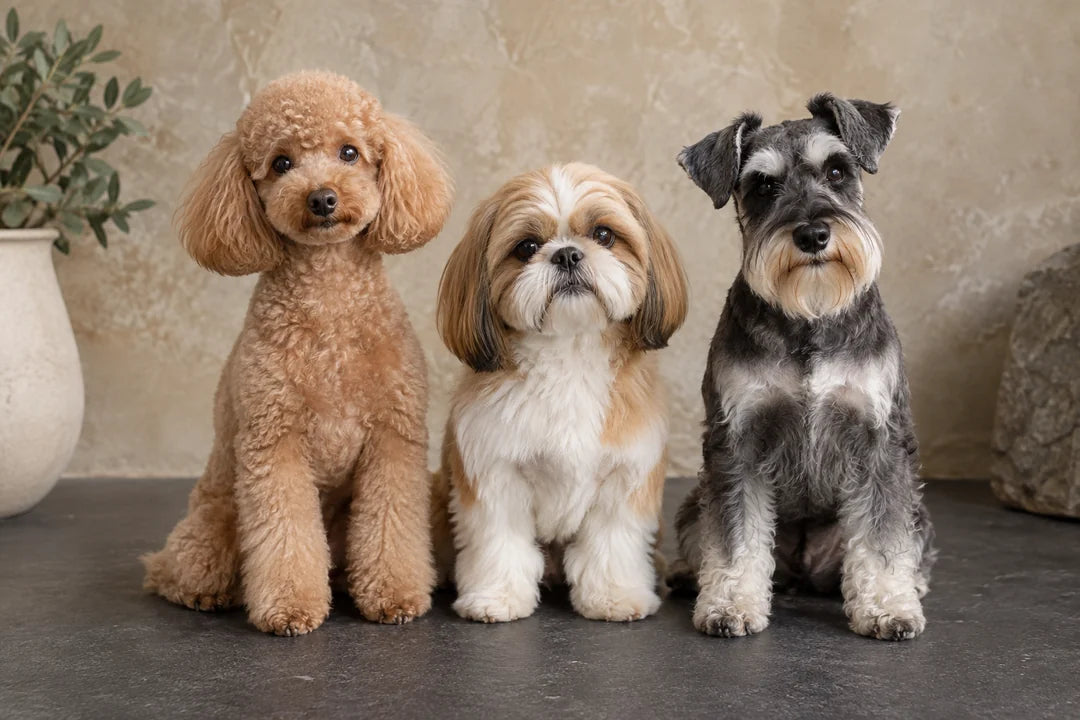
Find your dog's grooming routine, from coat prep and haircuts to brushing and nail care.

Skin & coat
Support healthy skin and a strong coat with the right care, tools and technique.

Paws & nails
Nail care, paw pads and hygiene tips between grooms.

Bathing & drying
Shampoos, drying methods and a calmer, more comfortable finish.

Blades & technique
Blade knowledge, cutting techniques and finishing for every coat type.

Brand Ambassadors
Learn to film inspiring Reels and useful YouTube videos, from your first phone recording to advanced product stories.

Featured guide
Shedding Season: A Gentler Brushing and Drying Routine
Simple steps to remove loose undercoat, protect the outer coat and keep dogs comfortable through heavy shed.
Read the guideThe guide library
Find your next answer.
Practical reading for pet parents and professional groomers.
Introduction to grooming for pet parents
Follow lessons 1–8 for the foundations, then choose the D-Series or PRO haircut route. Finish with scissor practice and a routine you can repeat. Learn at your dog’s pace; small sessions count.
Start with lesson 1 →No guides match those choices. Try a broader phrase or clear the filters.

When a New Blade Does Not Solve a Poor Finish
Check the assembly, preparation and technique in sequence before replacing more parts.
Read the guide
Stop Reaching Around the Dog: Reposition the Work
Change the setup for a clear view and comfortable access instead of holding an awkward reach.
Read the guide
Set Up a Mobile Tool Kit for Real Contamination Boundaries
Separate clean, used and faulty items by their actual condition, even when storage space is limited.
Read the guide
A Safer Correction Plan for Uneven Leg Furnishings
Check comparable relaxed outlines and preserve volume before correcting one specific projection.
Read the guide
Three Ways a Drying Routine Can Change the Final Outline
Compare coat direction, remaining moisture and how much a section has been worked before more trimming.
Read the guide
Design a Grooming Session for a Dog That Cannot Stand for Long
Prioritise necessary tasks, comfortable supported positions and a clear stopping point.
Read the guide
Reduce Rework Around Cowlicks and Direction Changes
Map the local coat direction and assess a small relaxed section before another trimming pass.
Read the guide
Before Calling It Clipper Irritation, Record What Actually Happened
Keep the timeline and equipment facts clear, stop uncomfortable work and refer clinical questions to a vet.
Read the guide
When a Coat Springs Back After a Beautiful Finish
Compare the relaxed outline, preparation and posture before cutting the returning projection.
Read the guide
Choose a Comb by Access and Coat Section, Not Overall Length
Match working width, pin reach and spacing to a section you can prepare comfortably.
Read the guide
A Better Test for a Blade That Only Pulls on One Side
Stop the uncomfortable pass, inspect the exact assembly and compare safely before blaming one cause.
Read the guide
Control Scissor-Over-Comb Angles on a Moving Subject
Keep the cutting plane visible, use small sections and reset when the dog changes position.
Read the guide
Make Thinner Marks Less Likely on Soft, Low-Density Coats
Choose a smaller, visible intervention and reassess relaxed coat before another thinning closure.
Read the guide
Coat Compression Can Defeat Your Length Plan
Check coat support, pass pressure and the relaxed result before choosing a shorter assembly.
Read the guide
Choose Standard or Wide Guards by Body Geometry
Compare the two attachment systems, verify their base blades and assess the complete task rather than one fast pass.
Read the guide
Diagnose Clipper Tracks with a One-Variable Check
Investigate a poor finish safely, keep useful observations and understand what a simple blade comparison cannot prove.
Read the guide
Separate Loose Undercoat from Hair You May Be Breaking
Recognise changes during coat work, understand the limits of visual checks and keep useful notes for veterinary follow-up.
Read the guide
Build a Useful Salon Trial for a New Grooming Tool
Compare suitable tools with consistent tasks, correction time and finish criteria, while keeping welfare decisions visible.
Read the guide
Photograph a Finished Groom So the Next Groomer Can Reproduce It
Keep camera position, coat state and tool notes consistent so a good photograph becomes a useful finishing reference.
Read the guide
Make Coat-Condition Notes the Next Groomer Can Use
Separate client reports, visible changes and decisions to make repeat appointments and handovers more useful.
Read the guide


