Jack Russell Grooming: Smooth, Broken and Rough Coats

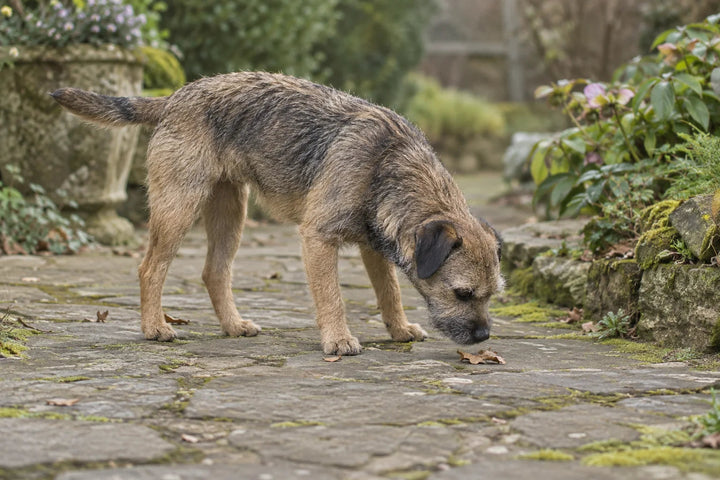
Two Jack Russells can have very different grooming needs. One may have a close smooth coat; another may have a beard, eyebrows and a much rougher jacket. Start with the coat in front of you rather than assuming every small white terrier needs the same trim.
Smooth, broken and rough coats need different attention. Keep smooth coats natural. For harsher furnished coats, discuss texture and hand-stripping before choosing a clipped finish.
Identify the coat before booking a groom
The Jack Russell Terrier Club's coat guide distinguishes smooth, broken and rough coats. A broken coat has some longer furnishing hair, while a rough coat has more of it. Both should be assessed for their actual texture rather than judged by a label alone.
Registry names and preferred proportions vary, but the practical coat question is straightforward: does your dog have short close hair, scattered furnishings or a fuller harsh jacket? This guide addresses those grooming differences without imposing a show haircut on a household dog.
A smooth dog does not need to be clipped to resemble another smooth dog. A rough dog does not need all the longer hair removed simply because it looks different.
For smooth coats, keep the routine light
Use a soft brush or appropriate grooming mitt to remove loose hair and ordinary surface dirt. Work gently with the direction of growth and use lighter pressure over the belly and legs.
After outdoor activity, check the feet, lower chest and underside. Local cleaning can deal with mud without turning every walk into bath day. Dry the cleaned areas and inspect beneath a damp harness.
Do not repeatedly scrape the coat to make the tool come away empty. Some shedding is normal. Routine body shaving adds no useful step to this maintenance plan.
For broken and rough coats, check the furnishings
Gently brush the body and check the beard, eyebrows and longer leg hair. Separate small sections and use a comb only where it passes without pulling. A VUNRO coarse-and-fine comb is useful for these smaller checks.
Clean ordinary food residue from the beard and dry it. Do not use scissors close to moving lips or eyes to chase a perfect shape. Detailed face work is best demonstrated by an experienced groomer.
Check armpits and the hair beneath straps. A rough outline can conceal a small knot just as a long silky coat can. Tight mats against the skin need professional assessment, not scissors pushed underneath.
Understand the choice before agreeing to it
The Jack Russell Terrier Club's grooming discussion explains the role of maintaining a hard functional coat and removing mature hair. Its detailed show preparation is not a requirement for a pet.
Hand-stripping removes selected mature outer hairs. Clipping cuts hair shorter. The methods can produce different textures and appearances, so ask a groomer experienced with terrier coats what your dog's current coat can comfortably support.
Some owners choose a practical clipped finish. Make that an informed choice rather than an accidental result of asking for “a tidy”. Do not attempt to pull hair that is not releasing readily or insist on a technique that the dog cannot comfortably tolerate.
Have a regular outdoor check
- Inspect feet and between the toes.
- Look at the chest and underside for dirt or plant material.
- Check furnishings around the face and legs where present.
- Remove loose debris without pulling embedded material.
- Clean local dirty areas and dry them.
- Check and clean the harness before replacing it.
If something is painful or will not lift away easily, get help rather than digging with a tool. A small dog still needs comfortable positioning and room to move.
Wash only as much as the job needs
Use a dog shampoo suited to the individual coat and follow its instructions. Prepare a non-slip bath surface and towels first. Keep water comfortable and direct spray away from the face and ear openings.
Rinse carefully underneath the body and through furnishings. Press dry with towels. If using a dog dryer, keep airflow comfortable and moving, and supervise throughout.
Blue Cross's bathing guidance supports adjusting frequency to the coat and activities. Do not let an inflexible timetable replace a simple check of whether the dog is actually dirty.
Maintain nails alongside coat care
Check every nail, including dewclaws, and ask a groomer to demonstrate the safe margin. The VUNRO nail grinder allows gradual smoothing if the dog accepts the sound. Use brief contacts, pauses and small amounts, keeping away from the quick.
The useful finish is a comfortable natural coat or an informed pet trim, clean dry furnishings and maintained feet. Grooming should suit the dog, not force three coat types into one style.
Keep learning
More from the Blade Blog
Whippet Grooming: Gentle Coat Care and Comfortable Nails
Read the guide →
Chihuahua Grooming: Smooth Coats, Long Coats and Tiny Paws
Read the guide →