

Border Terrier Grooming: Keep the Wiry Jacket Comfortable
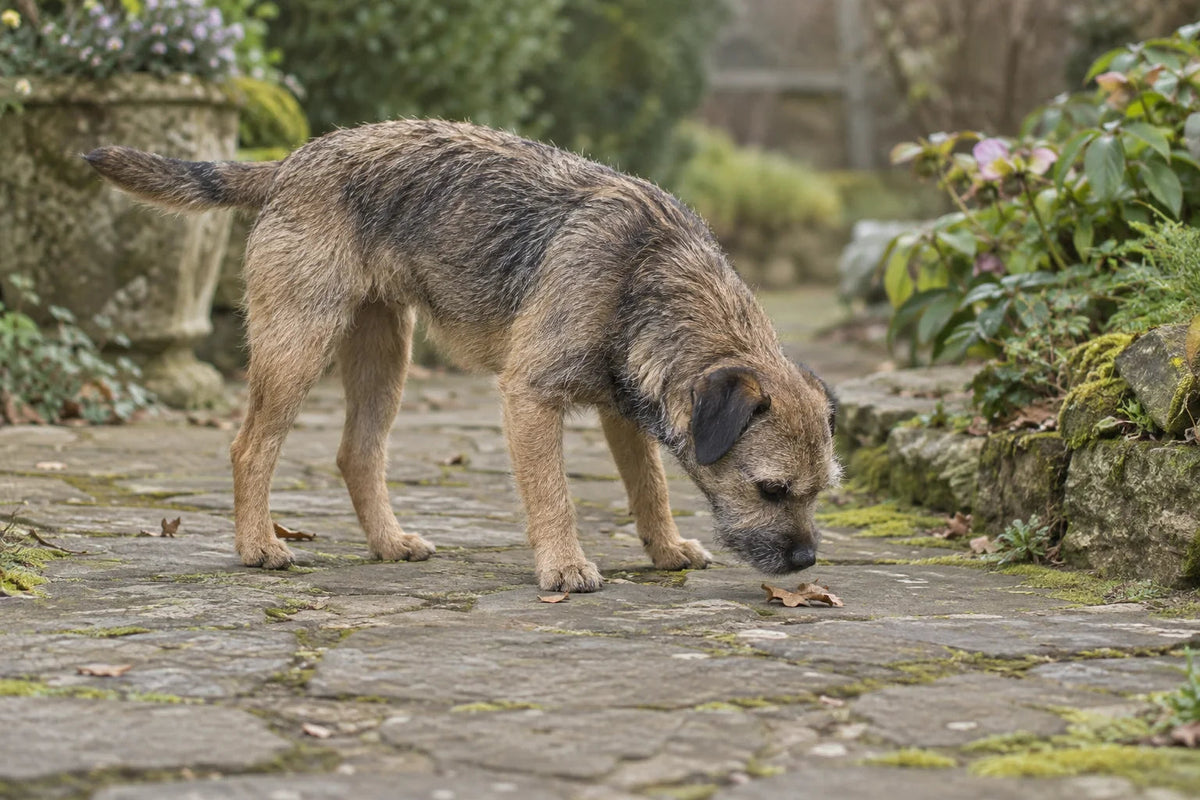
A Border Terrier's slightly rugged outline is part of the dog, not a grooming failure. The important distinction is between a tidy, comfortable wire coat and an overgrown jacket that needs knowledgeable attention.
Before booking a haircut, decide what you want to preserve. Brushing, hand-stripping and clipping do different jobs; asking simply for a shorter dog can lead to a result you did not intend.
Keep the coat plan specific. Routine brushing supports the natural jacket. Hand-stripping removes suitable old outer hair; clipping shortens hair instead. Ask an experienced wire-coat groomer to assess your Border before choosing.
Understand the hard jacket and softer undercoat
The AKC Border Terrier profile describes a wiry outer coat over a softer undercoat. The Border Terrier Club's grooming guidance explains why removing old outer hair and cutting it shorter produce different results.
A Border's coat does not have to look polished like a silky-coated breed. Concentrate on whether the dog is comfortable, the jacket is free from trapped debris, and the furnishings are not knotting. A photograph of a show dog is not a mandatory home grooming specification.
Coat maturity and texture vary. Do not assume that hair is ready to strip simply because a certain number of weeks has passed. Nor should resistance be overcome by pulling harder.
A practical weekly coat check
- Let the dog stand on a secure, non-slip surface, or settle comfortably on a floor mat.
- Run your hands over the jacket, checking for grit, burrs and places the dog dislikes being touched.
- Brush in the direction of growth with a suitable brush and light pressure.
- Check the modest beard, behind the ears, beneath equipment and around the legs.
- Finish by checking the feet and nails.
Keep your first sessions short enough that your Border remains willing to participate. If the dog keeps turning away when you reach one place, inspect it rather than repeatedly brushing over it.
A comb can help check longer furnishings after brushing, but it is not a lever for pulling out a knot. Hold a small section gently above the tangle to reduce traction, work at the loose ends, and stop if it will not separate comfortably.
What to ask about hand-stripping
Ask the groomer whether the jacket is ready, what areas they intend to work on, and how they will keep the dog comfortable. An experienced practitioner should be able to explain the difference between maintaining layers of coat and removing an overgrown jacket.
The breed club describes both periodic stripping and ongoing coat maintenance. Treat these as approaches to discuss, not a timetable to copy regardless of your own dog's coat. A beginner should have the technique demonstrated before attempting it.
There is no benefit in pursuing a perfect outline while the dog is distressed. Pause if the dog resists, and reconsider the plan with the groomer. Sensitive areas and a difficult jacket are particularly poor places to learn by trial and error.
If a pet clip is being considered
The breed club cautions that clipping can alter the jacket's appearance, colour and texture. It shortens the hair without doing the same job as removing ready outer hair. That matters if preserving a characteristic wire finish is your priority.
Some owners and groomers nevertheless choose a pet clip because it is the most manageable option for an individual dog. Make that an informed comfort decision. Ask what the maintenance will look like afterwards and avoid promises that every coat will respond identically.
Do not buy a clipper as a substitute for understanding the jacket. This guide's everyday tool recommendation is for coat checking and feet; a body haircut should follow a specific professional assessment.
Deal with mud without overworking the coat
After an outing, remove loose debris and deal with dirty feet before it is carried through the house. Brush out ordinary dry mud gently where it releases easily; wash contamination that needs washing rather than trying to preserve texture at the expense of cleanliness.
When a bath is needed, use dog shampoo according to its directions, rinse thoroughly and dry the dog comfortably. Avoid scrubbing knots tighter or rubbing the beard into a tangle. A groomer can advise on timing a bath around a planned stripping appointment.
Blue Cross bathing advice supports choosing a routine around the individual dog's needs. A fixed weekly shampoo is not automatically necessary for a clean, comfortable Border.
The small areas worth checking often
Wipe food from the beard with a soft damp cloth and dry it afterwards. Check the lower legs and feet after walks, including between the toes where debris can lodge. Do not cut into an unseen knot with scissors.
Keep nails under regular review even if the dog walks on hard surfaces. For owners already confident with the technique, the VUNRO Small PRO Pet Nail Clipper can be a relevant tool if its opening comfortably suits the individual nail. Remove tiny amounts and stop well before the sensitive quick.
If you cannot identify a safe amount, ask a groomer to demonstrate. The aim is comfortable feet and a relaxed dog, not completing every nail in one sitting.
Give the groomer a clear brief
Say whether you want to preserve the wiry jacket, explain previous clipping or stripping, and mention any handling difficulties. Ask for the likely texture and upkeep of each option before work starts. Between appointments, a repeatable brush, debris check and foot routine will do more than an ambitious haircut you cannot maintain.
Keep learning
More from the Blade Blog
Whippet Grooming: Gentle Coat Care and Comfortable Nails
Read the guide →
Chihuahua Grooming: Smooth Coats, Long Coats and Tiny Paws
Read the guide →


