

Double-Coated Dogs in Summer: Grooming Without a Close Shave
Support summer comfort with appropriate coat care, practical heat precautions and a clear distinction between cosmetic clipping and necessary treatment.
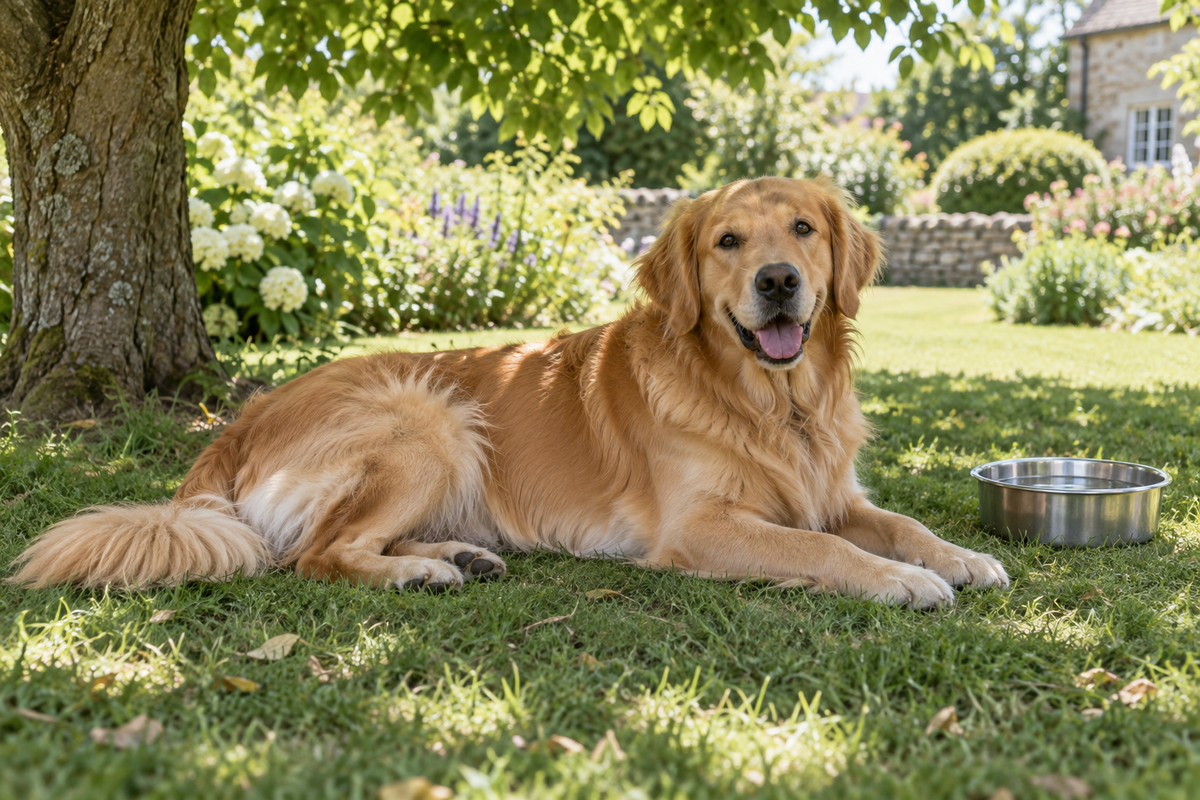
The practical answer
Do not choose a close shave as the default cooling strategy for a double-coated dog. Discuss coat care with a groomer and manage heat through the dog’s environment and activity.
Identify the coat before choosing a haircut
A double coat has an outer layer and a softer undercoat. The amount and appearance vary, so ask a groomer if you are unsure what your dog has. Breed labels alone are not a complete coat assessment, especially for mixed-breed dogs.
Why a close shave is not the usual answer
The American Kennel Club advises against routine shaving of double-coated breeds and describes the risk of uneven regrowth and reduced skin protection. Necessary medical clipping or severe matting can be different situations. American Kennel Club: double-coated breeds and grooming.
Avoid turning this into a promise that an intact coat makes a dog safe in hot weather. Every dog can overheat, and grooming cannot compensate for unsuitable exercise or a hot environment. A coat-care choice and a heat-safety plan are separate decisions.
A more useful summer plan
- Have the coat assessed for loose undercoat, tangles and any skin changes.
- Use gentle brushing appropriate to that coat, stopping if the skin becomes irritated or the dog is uncomfortable.
- Arrange professional help for compacted or matted areas rather than repeatedly pulling at them.
- Bathe and dry as appropriate for the dog instead of using extra washing as a cooling routine.
- Review exercise timing, shade, drinking water and a cool resting place.
Blue Cross recommends adapting exercise and the environment during hot weather. Follow current heat advice rather than assuming a haircut solves the risk. Blue Cross: keeping dogs cool in summer.
Know when clipping may still be needed
A vet may need access for treatment, or a groomer may find that severe matting cannot be managed comfortably while preserving the coat. Discuss the reason, the expected result and aftercare. It is more helpful to prevent another matting cycle than to insist that no hair may ever be removed.
Choose progress you can maintain
Ask for a demonstration of the pressure and tool movement suited to your dog. Record the areas where undercoat compacts and check them first between appointments. The target is a comfortable, manageable coat—not removing every loose hair in a single session.
Before booking a summer groom
- What type of coat does my dog actually have?
- Is the problem loose hair, matting or heat exposure?
- What can be achieved without unnecessary close clipping?
- What routine should I follow at home?
- What changes need veterinary advice?
Read next
- Shedding Season: A Gentler Brushing and Drying Routine
- Matted Dog Coats: What to Do and When to Stop
Sources and further reading
Guidance checked September 2026. The practical checklists and examples are VUNRO editorial guidance; the sources below support the underlying care or equipment principles.
Keep learning
More from the Blade Blog

A Polished Coat Can Hide Fibre Damage
Read the guide →
Separate Loose Undercoat from Hair You May Be Breaking
Read the guide →


